Department of Integrative Pharmacology
臨床薬品作用学研究室
We aim to unravel how type 2 diabetes develops and to create new strategies for its prevention and early treatment — through basic research that bridges metabolism, neuroscience, and immunology.
About the
Laboratory
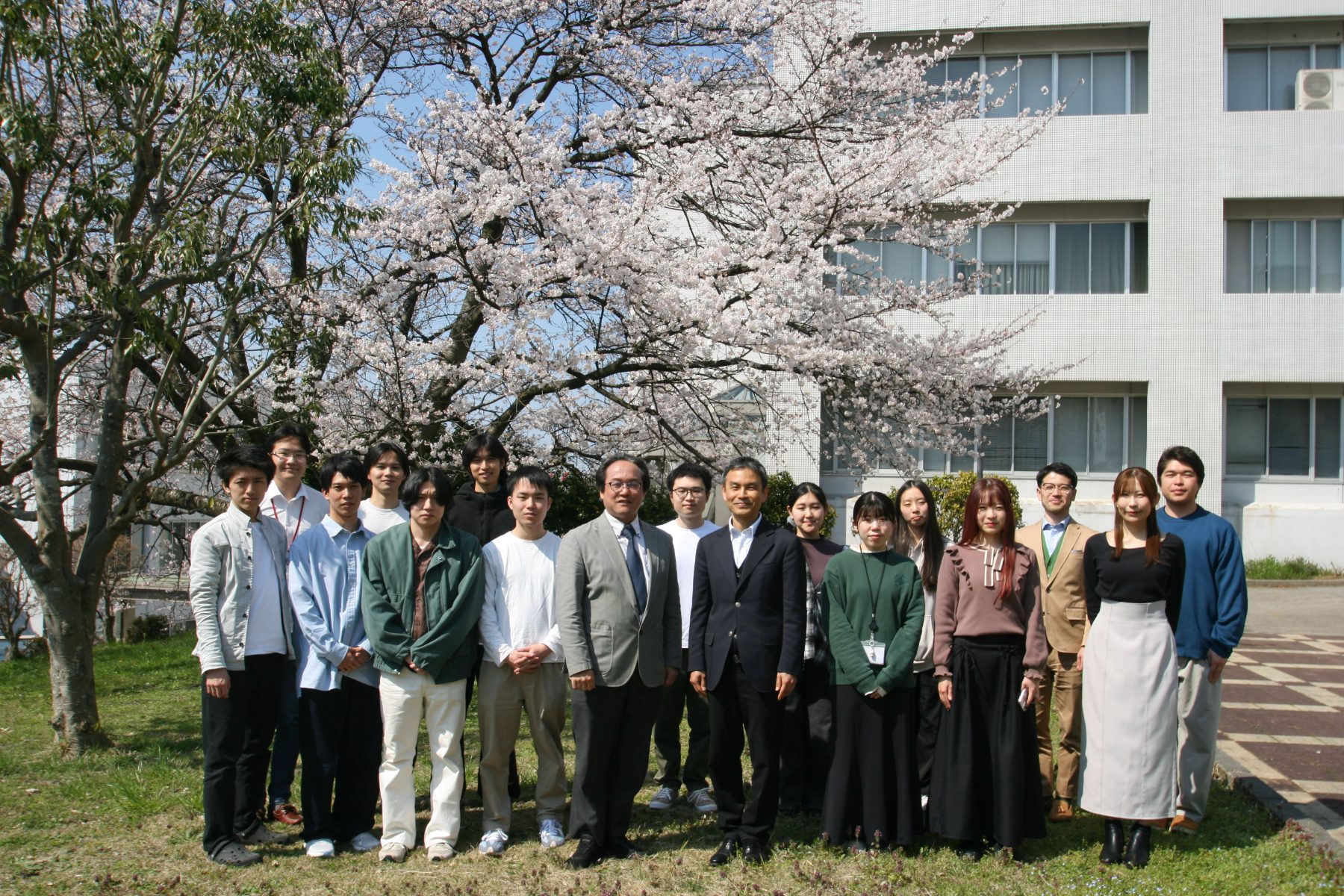
The Laboratory of Integrative Pharmacology, led by Professor Hiroshi Tsuneki since November 2022, seeks to elucidate how diabetes progresses and to create new methods for its prevention and early treatment.
As obesity and type 2 diabetes spread worldwide, we explore interventions that effectively maintain the dynamic homeostasis of glucose and lipid metabolism — guided by the keywords of inter-organ communication, sleep–wake rhythm, aging, pre-symptomatic disease ("ME-BYO"), and obesity. Building on more than 60 years of diabetes research tradition at the University of Toyama, we support each student in taking on original scientific challenges.
Understanding diabetes from every angle
Across metabolism, neuroscience, and immunology, we investigate how the homeostasis of glucose and lipid metabolism is maintained — and how it breaks down.
Neuroscience × Metabolism
How the brain governs whole-body metabolism: hypothalamic orexin and glucose control, the olfaction–lipid metabolism link, and the coupling of sleep–wake rhythm with glucose metabolism.
Metabolism × Pre-disease
Dynamic homeostasis of glucose and lipid metabolism — hormonal regulation (estrogen, aldosterone) and inter-organ communication, extended toward clinical research on human pathology and disease prevention.
Immunology × Vascular Biology
We investigate the angiogenesis and adipogenesis that promote the expansion of adipose tissue, and the progression of chronic inflammation that induces insulin resistance.
Lab Members
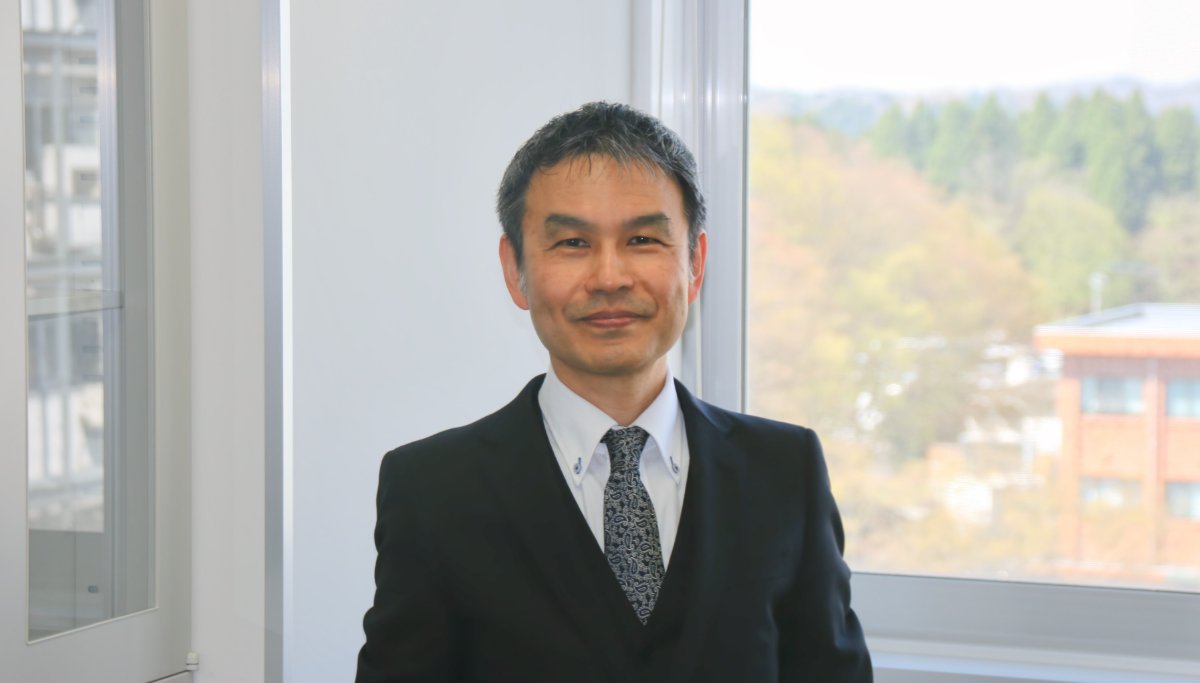
Hiroshi Tsuneki, Ph.D.
Neuroscience & Pharmacology — Central metabolic regulation via the sensory system, orexin system, and autonomic nervous system; the link between sleep and diabetes.
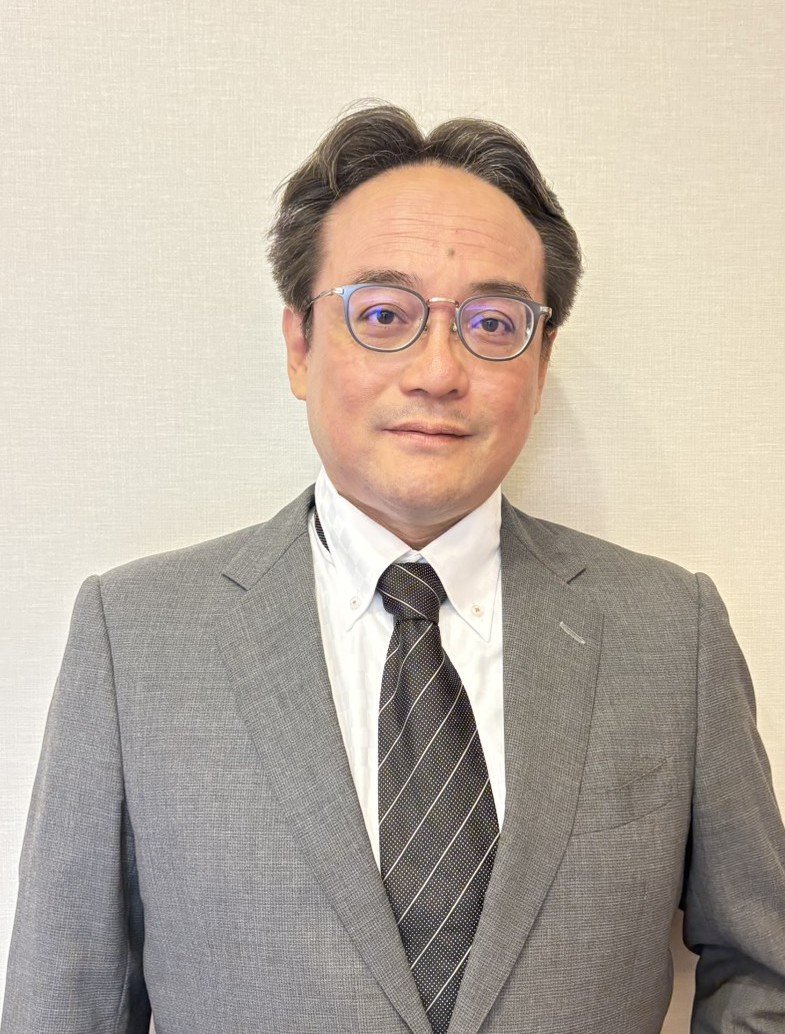
Tsutomu Wada, M.D., Ph.D.
Metabolism & Immunology — Mechanisms of adipose tissue hypertrophy and insulin resistance, chronic inflammation, angiogenesis, and biomarker discovery.
Publications
Click a title to open the article on PubMed / the journal page.